What is Plastic Pollution?
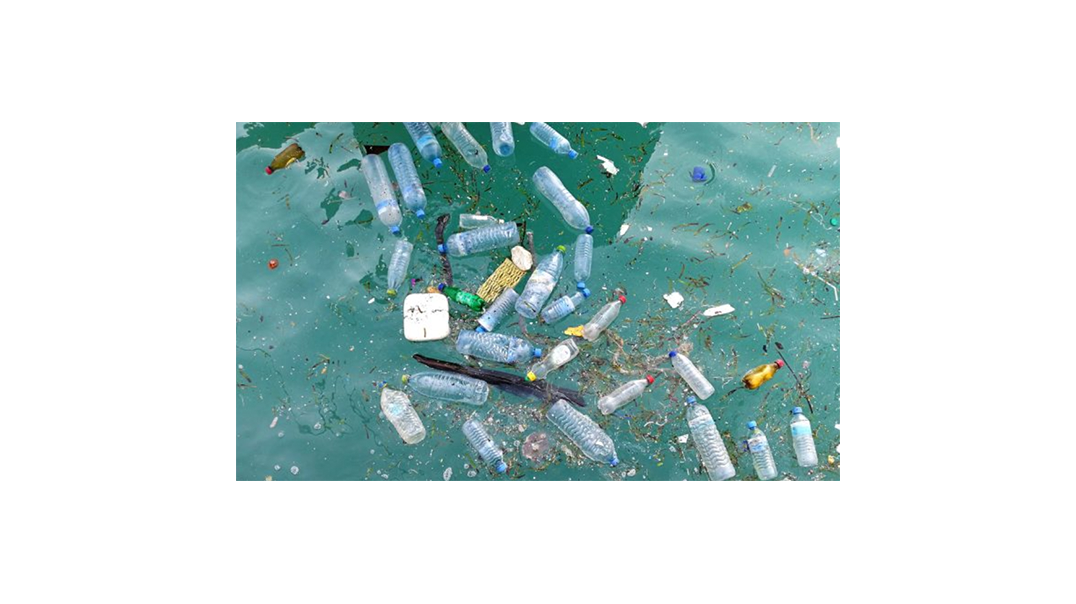
A report on the current state of plastic pollution and how it affects our oceans.
When plastic waste is mismanaged (it’s not recycled, incinerated, or locked away in landfills) it becomes an environmental pollutant. Whether it’s washing up on our beaches, appearing deep in the Arctic ice or entangling marine wildlife, plastic pollution is where it shouldn’t be. And it’s causing catastrophic harm.
Over time, these plastics break down into increasingly smaller pieces called microplastics and nanoplastics, which further cause a load of problems. Not only are these small plastic fragments extremely difficult to clean up once in the environment, but they also act as vessels carrying toxic chemicals everywhere they go. And they have found their way into every nook and cranny of our planet, including our bodies.
The rapid increase in single-use and disposable plastics has and is continuing to make plastic pollution one of the most pressing environmental challenges we face globally today.
Plastic Pollution in Numbers
- Over 11 million tonnes of plastic finds its way into the ocean every single year. 9.5 million tonnes of this enters the ocean from the land, and 1.75 tonnes are thrown into the sea directly from the fishing and shipping industry.
- There are approximately 51 trillion microscopic pieces of plastic, weighing 269,000 tons. That’s about the same as 1,345 adult blue whales. And 500 times the number of stars in our galaxy.
- Approximately 11 million tonnes of plastic enters the ocean every year. That’s the equivalent of us dumping 2,000 rubbish trucks full of plastic into the world’s oceans, rivers, and lakes every single day (UNEP, 2025).
- There could be more plastic than fish in the sea by 2050 (EMF, 2016).
- More than 100,000 marine mammals and 1 million sea birds are killed by marine plastic pollution every year (UK Government, 2018).
80% of all studied marine debris is plastic. (IUCN, 2021) - It’s estimated that UK households throw away a staggering 1.7 billion pieces of plastic packaging a week (Big Plastic Count, 2024). That means every year, we throw out about 100 billion pieces of plastic – the same number of stars in our Galaxy!
Environmental Product Declaration available for SupaSoft Insulation
As the demand for transparency and independent data grows the need for verified EPD’s becomes ever greater. EPD’s are a way of determining and publishing the environmental impact of products and cover a range of aspects including embodied carbon, measured as the Global Warming Potential (GWP) of the product.
The data on the SupaSoft Insulation EPD is published for the thickness required to achieve an R value of 1 enabling easy comparison with other products.